A quality canvas tent is a 10-20 year investment -- if you maintain it. A neglected canvas tent is a one-season disaster. The difference is a few hours of care per year. Here's exactly what to do.
Before First Use: Seasoning Your Canvas
New canvas needs to be "seasoned" before it's truly waterproof. Set up the tent in your yard, spray it thoroughly with a garden hose (or wait for rain), and let it dry completely. Repeat 2-3 times. This process causes the cotton fibers to swell and close the microscopic gaps in the weave. Skip this step and your first rainy camping trip becomes an indoor shower.
Waterproofing: When and How
Canvas is naturally water-resistant after seasoning, but annual re-treatment extends weatherproofing. Use a silicone-based or fluoropolymer canvas waterproofing spray (not wax-based -- wax traps moisture).
- Set up the tent and let it dry completely
- Clean any dirt or debris (see cleaning section below)
- Apply waterproofing spray evenly, working in sections
- Focus on seams, the ridge line, and anywhere water pools
- Let dry for 24-48 hours before packing
Do this once per year, ideally before the season starts. Quality canvas like the White Duck Alpha and Avalon lines hold treatment well and rarely need mid-season touch-ups.
Cleaning Canvas: The Right Way
Never machine wash canvas. Never use bleach. Never use detergent.
For spot cleaning:
- Mix lukewarm water with a small amount of mild soap (Dr. Bronner's or similar)
- Use a soft-bristle brush to gently scrub the affected area
- Rinse thoroughly with clean water
- Let dry completely before folding
For bird droppings, tree sap, or stubborn stains, let them dry first, then brush off the dried residue before spot cleaning. Aggressive scrubbing damages the canvas weave and removes waterproofing treatment.
The Number One Rule: Never Store Wet
This destroys more canvas tents than wind, UV, and age combined. Mold and mildew set in within 24-48 hours on damp canvas in a storage bag. If you have to pack up in the rain:
- Pack it loosely -- don't compress
- Set it up to dry within 24 hours, even if just draped over a fence
- Once bone dry, fold and store in a breathable bag (not a sealed plastic container)
Recommended Tents for Long-Term Use
These tents are built for multi-season, multi-year use when properly maintained:
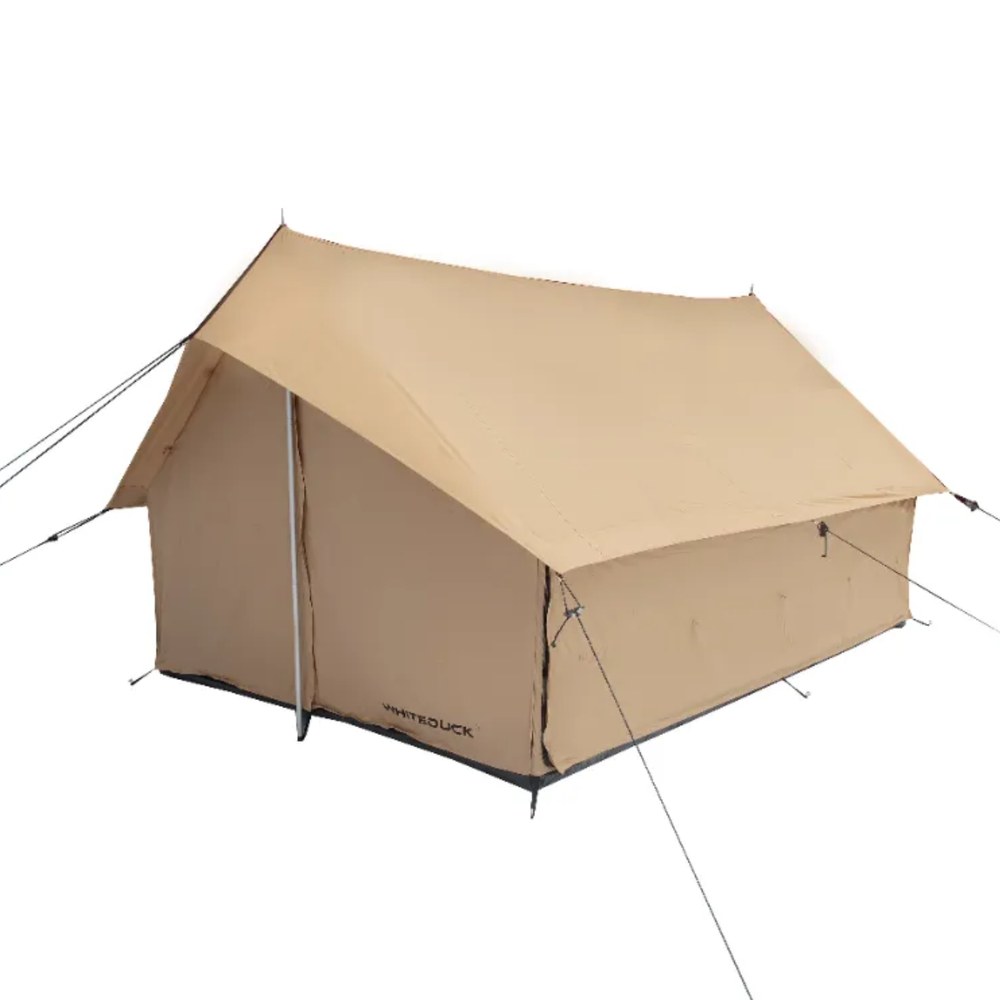
White Duck Rover Scout Tent 8'x13'
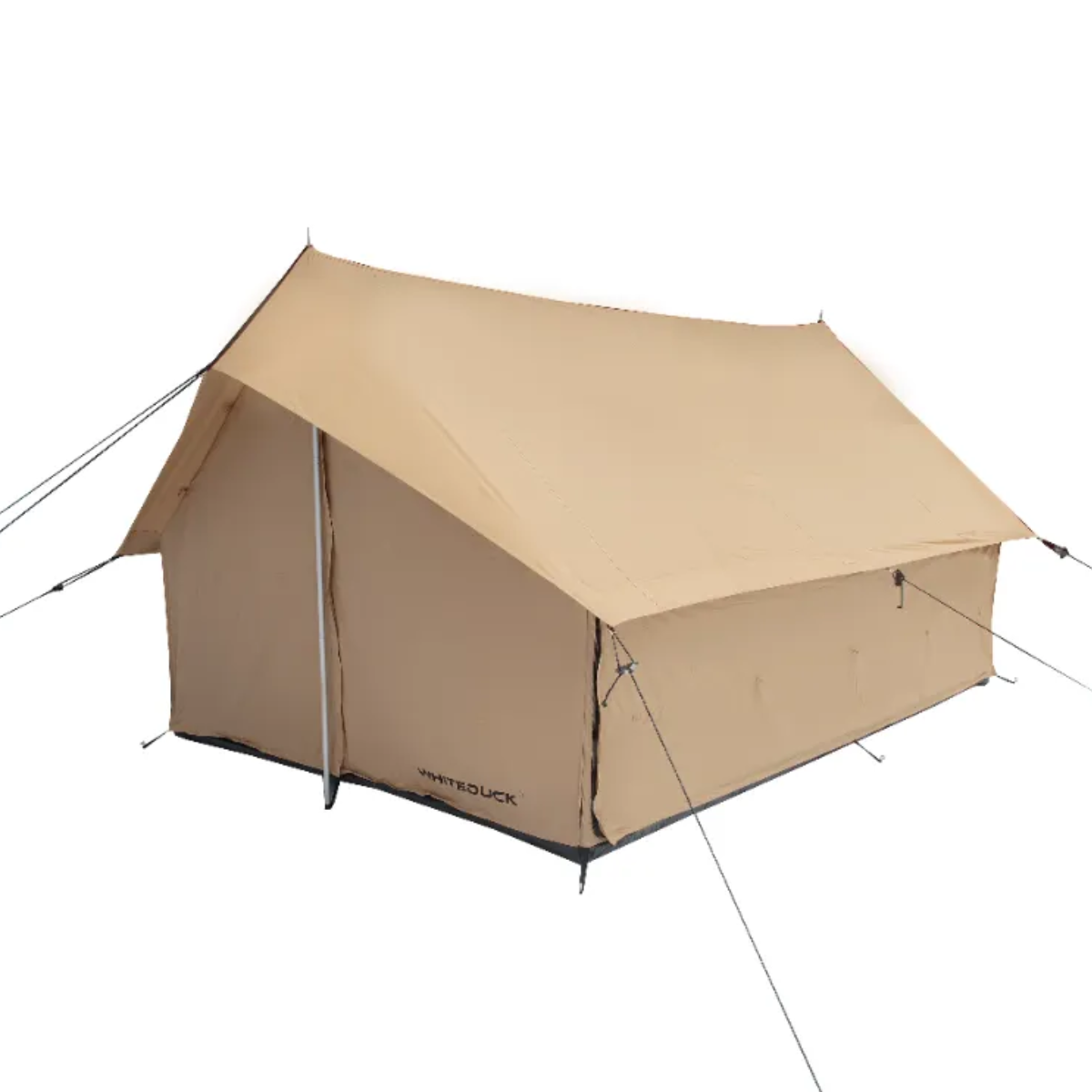
White Duck Rover Scout Tent 8'x13'
$707.73
White Duck Outdoors built the White Duck Rover Scout Tent 8'x13' for outdoor enthusiasts who value substance over flash. The Rover Scout delivers practical comfort without the weight penalty or complexity. Its 8'x13' footprint and roll-back design ad...
The Rover Scout is a practical starter tent that rewards good maintenance with years of reliable use. Its compact size makes drying and storage easier than larger wall tents.
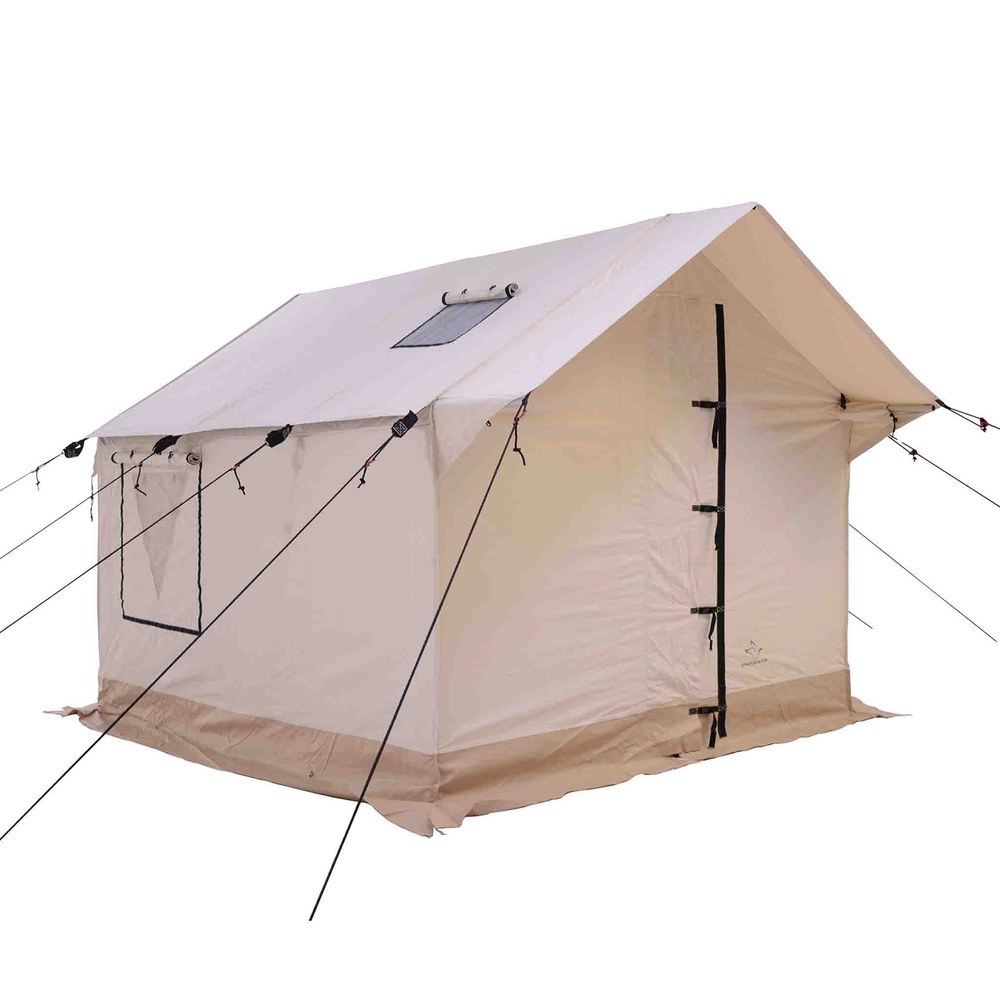
White Duck 8'x10' Alpha Wall Tent
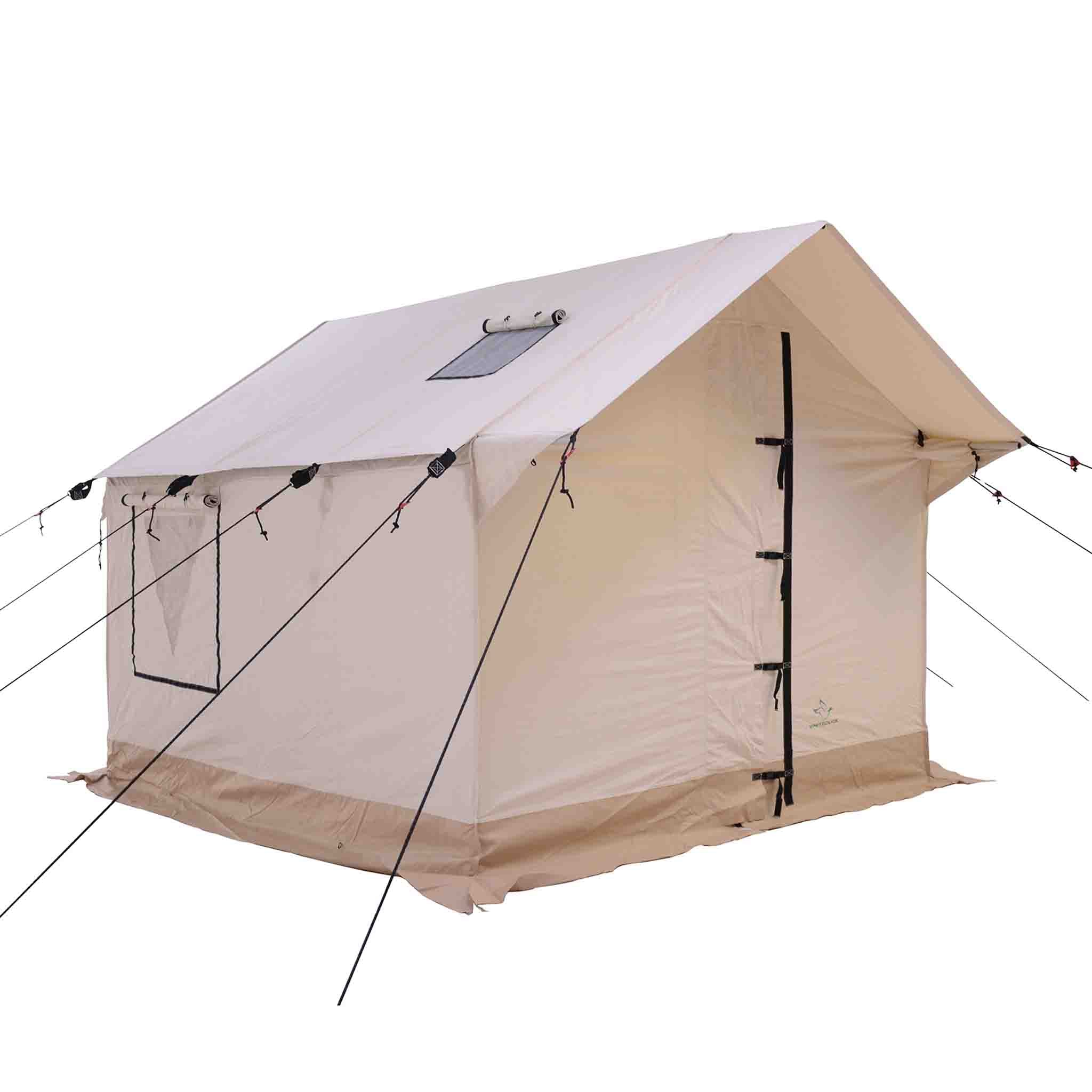
White Duck 8'x10' Alpha Wall Tent
$1692.40
We put the White Duck 8'x10' Alpha Wall Tent through its paces and came away impressed. The Alpha Wall Tent arrives complete—poles, frame, floor, and tools included—eliminating the equipment patchwork that plagues first-time wall tent buyers. Built f...
The Alpha series uses 10oz army duck canvas that responds well to waterproofing treatment and develops a better patina with age. A well-maintained Alpha will outlast cheaper tents by a decade.
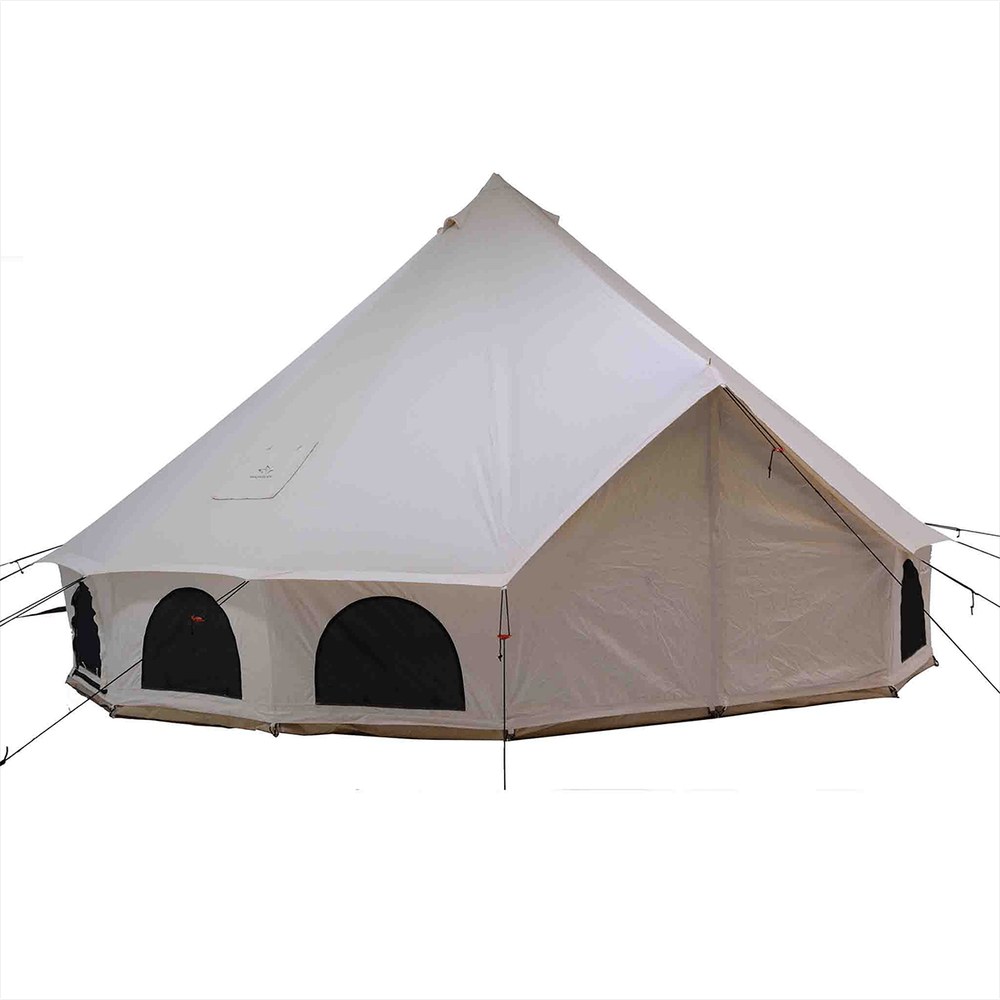
White Duck 20' Avalon Bell Tent
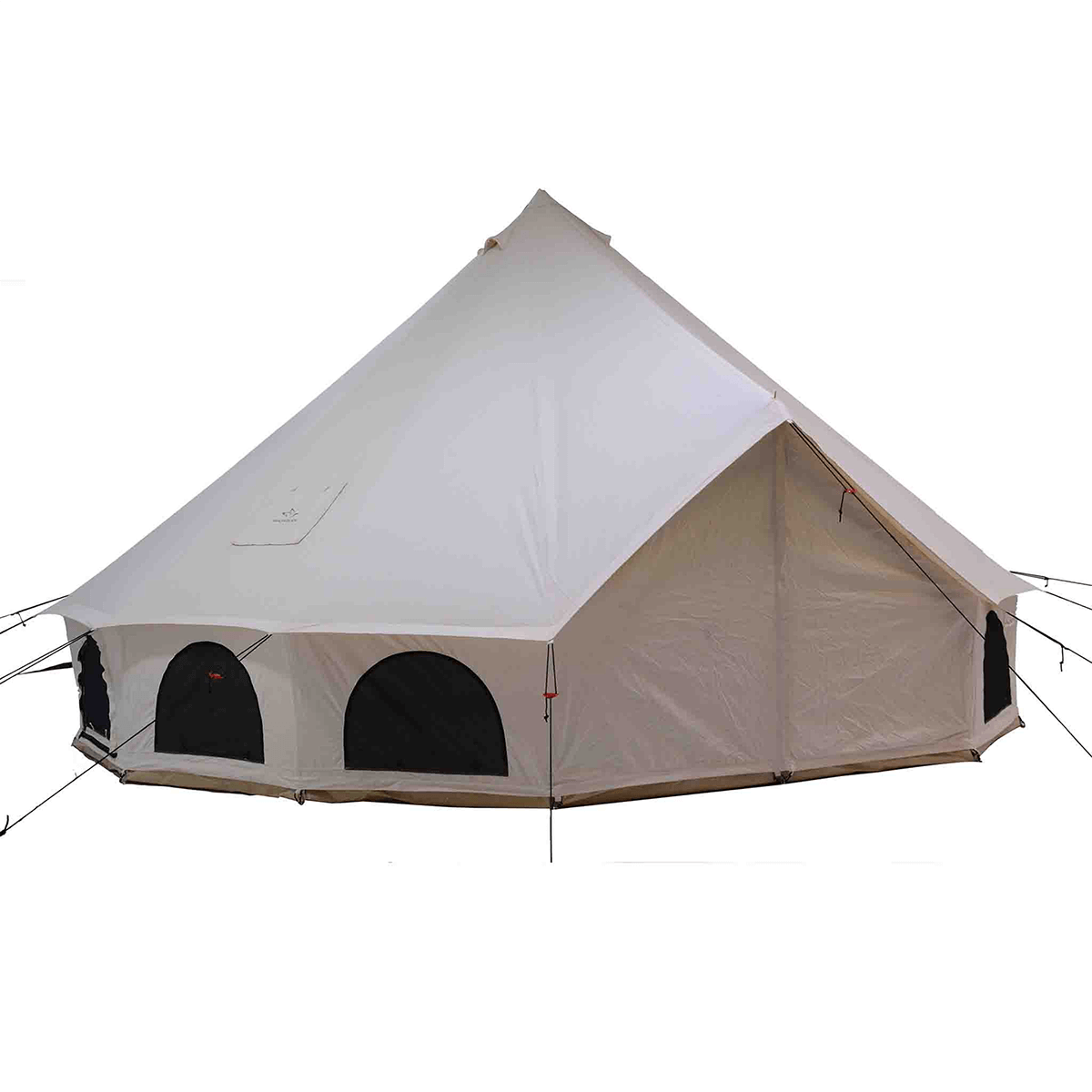
White Duck 20' Avalon Bell Tent
$1897.54
White Duck Outdoors doesn't cut corners on the White Duck 20' Avalon Bell Tent, and it shows. The Avalon commands attention through thoughtful engineering and material quality rather than trend-chasing. At 20 feet, it delivers genuine livability for ...
Bell tents dry faster than wall tents due to their conical shape (water sheds naturally). The Avalon's heavier canvas holds waterproofing treatment longer between applications.
Seasonal Storage Checklist
- Clean all dirt and debris
- Inspect for tears, loose grommets, or worn seams -- repair before storage
- Ensure canvas is completely dry (feel the fold creases -- moisture hides there)
- Fold loosely rather than rolling tightly
- Store in a cool, dry location with airflow
- Use a breathable storage bag -- never sealed plastic
- Check monthly for moisture or rodent activity
- Re-waterproof before the next season
Repair Basics
Small tears: canvas repair tape for field fixes, then a proper sewn patch at home. Loose grommets: re-set with a grommet kit ($15). Worn seams: seam sealer applied to the outside. None of these require professional repair -- canvas is forgiving and repairable, unlike synthetic tent fabrics.
The Bottom Line
Season it before use. Dry it before storage. Re-waterproof annually. That's 90% of canvas tent maintenance. The other 10% is basic common sense: don't set up under sap-dripping trees, stake into the wind, and inspect before each trip. A $2,000 tent that lasts 15 years costs $133 per year. A $200 tent that lasts two seasons costs $100 per year -- and performs worse every day of its shorter life.